
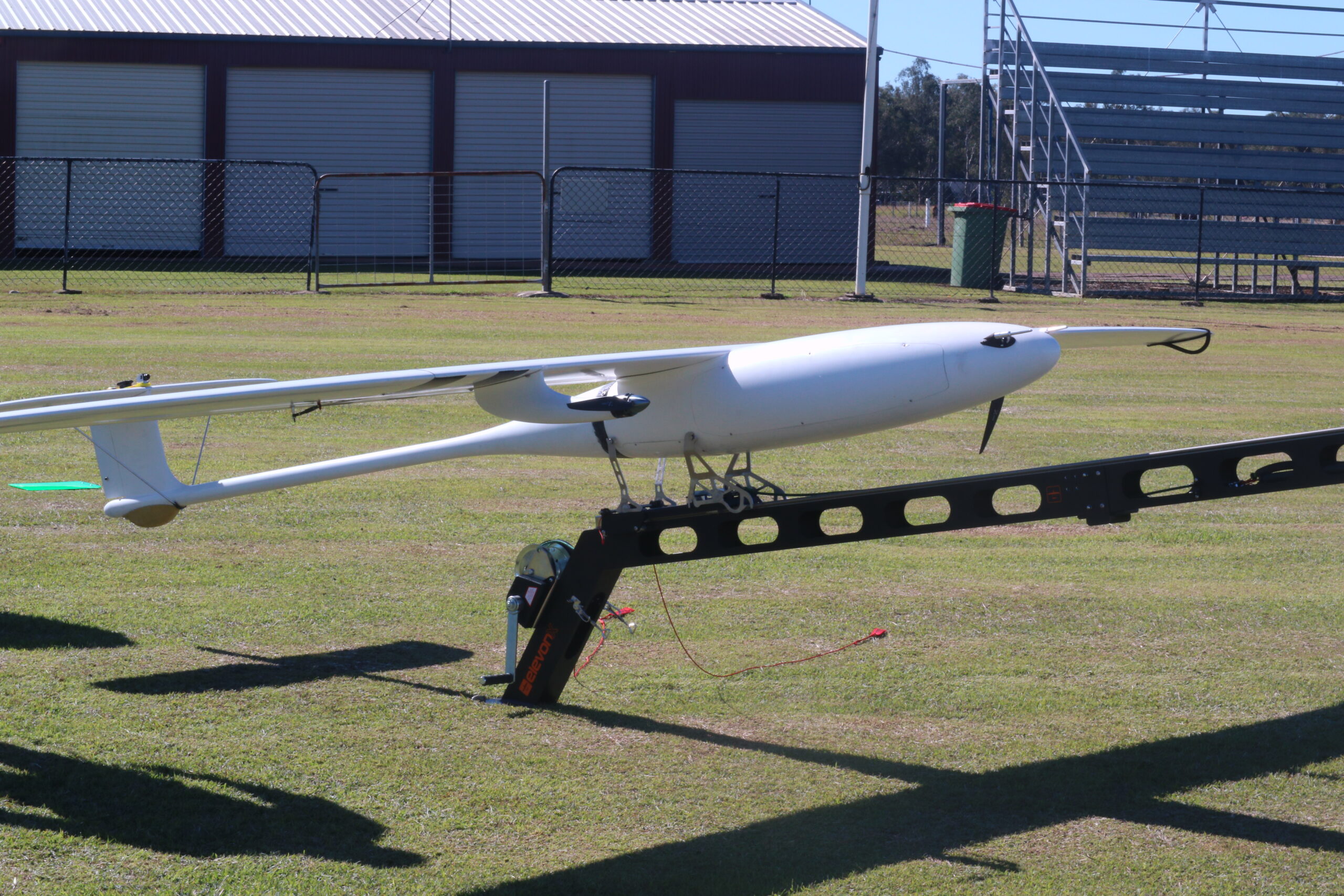
After 12 months of design, component and airframe development, V-TOL has commenced airframe flight performance testing. Operating in accordance with MAAA regulations, the initial flight testing of Pegasus has been conducted in southeast Queensland at a MAAA Flying Field.
“To our great satisfaction, Pegasus is performing beyond design expectations and attribute this result to great team work by our aeronautical engineers,” says Robert Hughes COO and Project Lead for Pegasus.
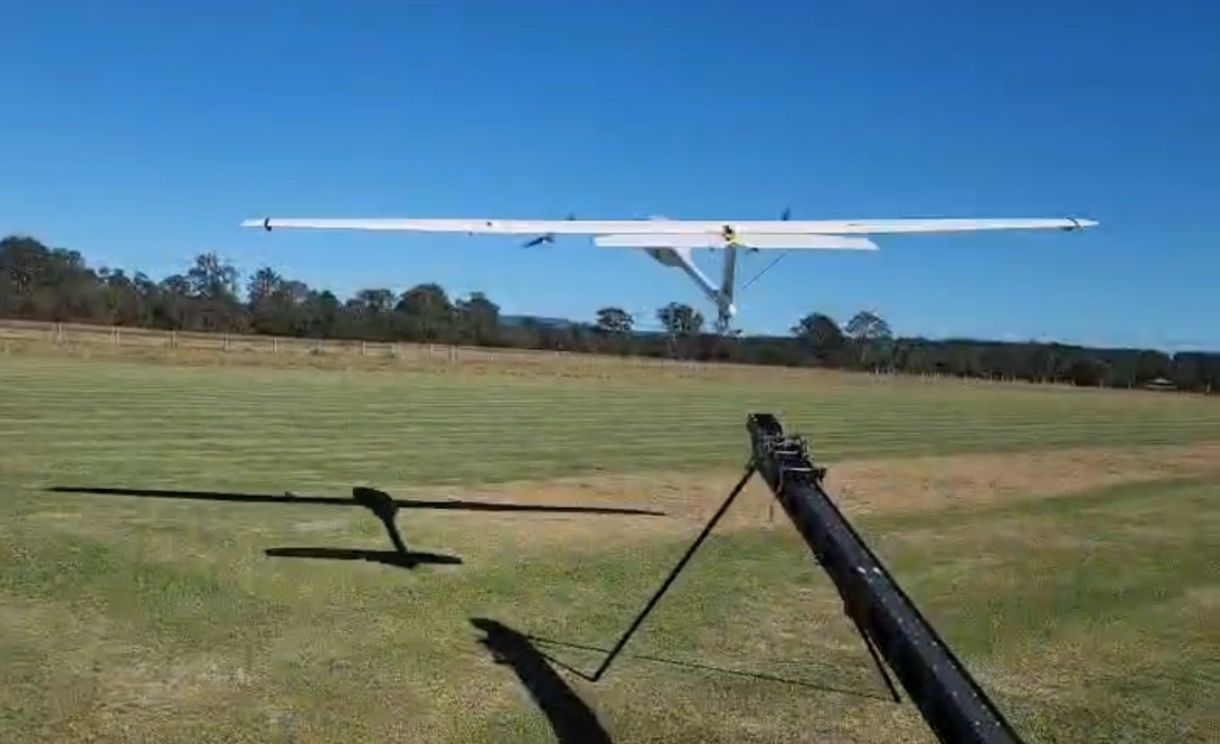
“The test results bode well for the next phase of our EATP project. I congratulate Rob and our CTO Dr Kye Morton for their technical leadership in delivering a high performance platform to work with,” says Mark Xavier, CEO of V-TOL.
“The deliver of Halocell’s advanced perovskite solar chemistry and the positive flight performance results of this Pegasus milestone, brings us closer to the all day flying solar drone,” Mark continued.
V-TOL Aerospace Aerospace is a robotics, AI and IoT Australian sovereign company developing Pegasus that will be capable of flying from dawn to dusk.
Halocell Energy Energy is the inventor of the next generation of manufacturing perovskites into cost-effective and highly efficient solar cells.
EATP (Emerging Aviation Technology Partnerships Program | Drones) is an Australian Federal Government grant program assisting V-TOL, Halocell & Li-S Energy (ASX: LIS), in the design & development of Pegasus, a solar powered Lithium Sulphur battery unmanned aircraft capable of flying all day.